 English
 Arabic
 French
 German
 Indonesian


English
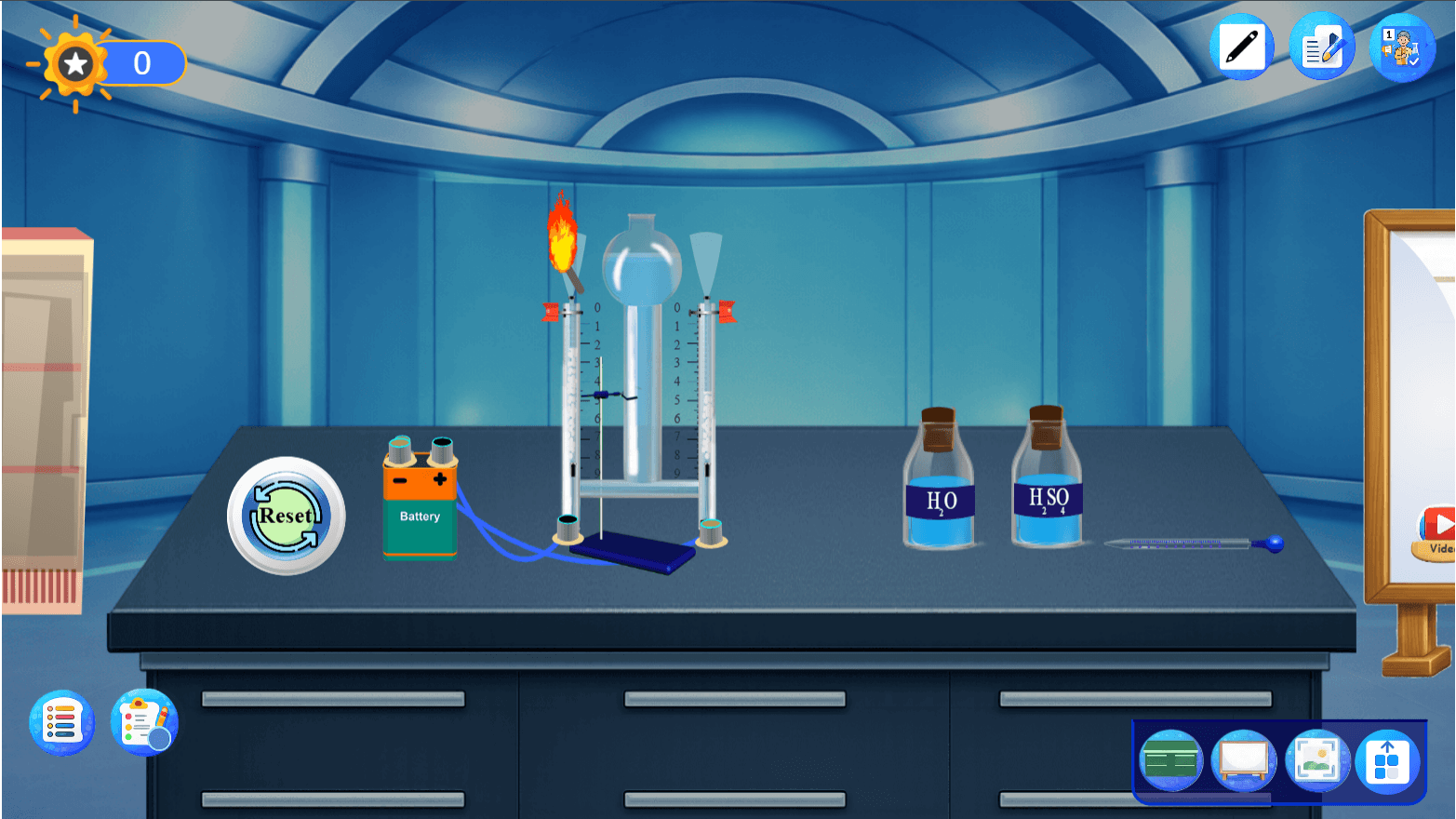
The goal of the experiment: Explain the idea of work the Hofmann's voltameter Experiments Tools: &nb......
chemistry
The goal of the experiment: Explain the idea of work the Hofmann's voltameter Experiments Tools: Hofmann's voltameter apparatus- holder- acidified water with dilute sulphuric acid- battery – glowing splint Steps of the experiment: The Observation & Conclusion:Keywords (English): Hof......
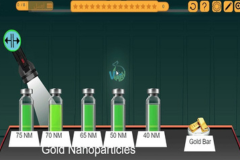
Keywords: Electrons – Energy levels – Principal quantum number – Electron configuration – Electron s......
Chemistry
Keywords: Electrons – Energy levels – Principal quantum number – Electron configuration – Electron shell
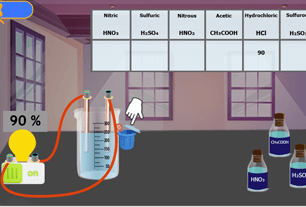
Electrical Conductivity of AcidsKeywords (English): electrical conductivity – acids – ions – electro......
Science
Electrical Conductivity of AcidsKeywords (English): electrical conductivity – acids – ions – electrolyte – electric current
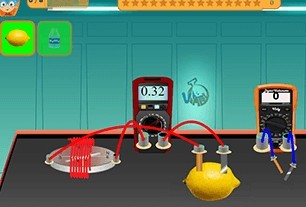
Keywords: Lemon battery – Chemical reaction – Electrodes – Voltage – Electricity
Chemistry
Keywords: Lemon battery – Chemical reaction – Electrodes – Voltage – Electricity
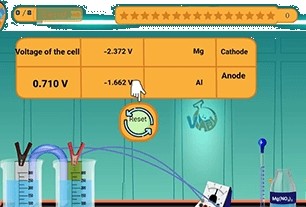
Keywords: Galvanic cell – Cell voltage – Electrodes – Electrons – Voltage
Chemistry
Keywords: Galvanic cell – Cell voltage – Electrodes – Electrons – Voltage
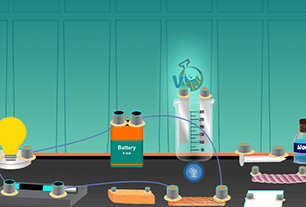
The goal of the experiment: Explain the difference of materials from each other in the ability of el......
Science
The goal of the experiment: Explain the difference of materials from each other in the ability of electrical conductivity Experience Tools: Battery - electric lamp - glass cup - acids, strengths, salts and sugar solution - wood - copper - steel nail - connecting wires Steps of the experiment:......
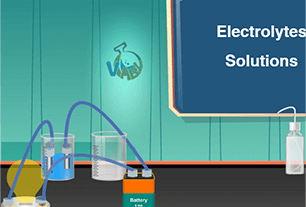
An experiment demonstrating the difference between electrolytic and non-electrolytic solutions by te......
Chemistry
An experiment demonstrating the difference between electrolytic and non-electrolytic solutions by testing their ability to conduct electric current using a simple electrical circuit and observing the brightness of a lamp.Keywords: Electrolytic Solutions - Non-Electrolytic Solutions - Electrical Cond......
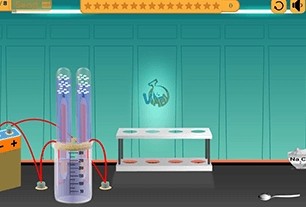
Investigation of the process of electrolysis of waterelectrolysis of water – oxygen – hydrogen – ele......
Science
Investigation of the process of electrolysis of waterelectrolysis of water – oxygen – hydrogen – electric current
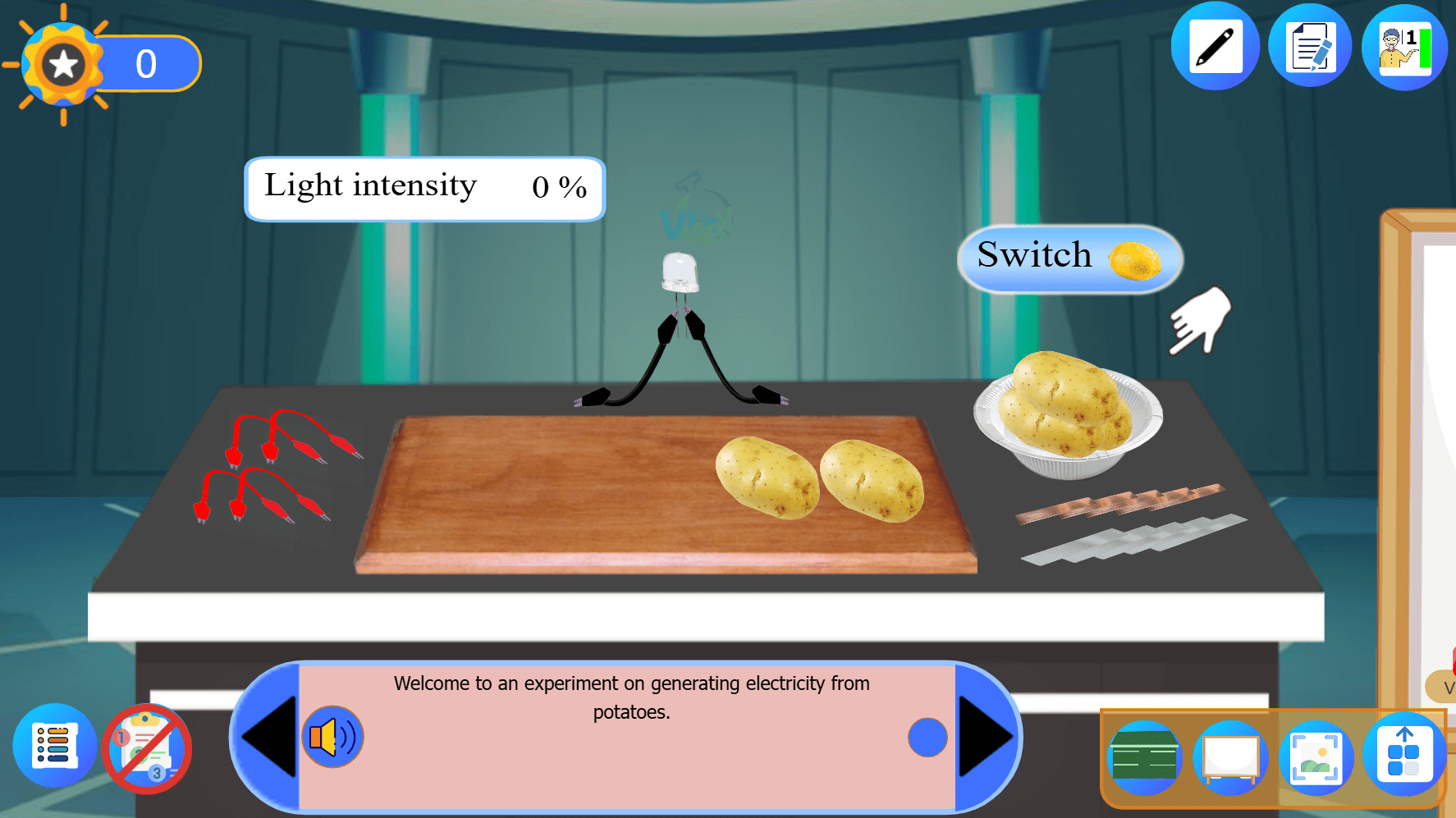
Objective: To learn how to convert chemical energy into electrical energy using potatoes as a power......
Human Uses of Energy
Objective: To learn how to convert chemical energy into electrical energy using potatoes as a power source.Materials: Fresh potatoes – copper strips – zinc strips – small LED – connecting wires with clips – safety goggles.Procedure: Insert a copper strip into the potato. Insert a zinc strip a small......

© All Rights Reserved @ 2026 For VLaby - Powered By VLaby.